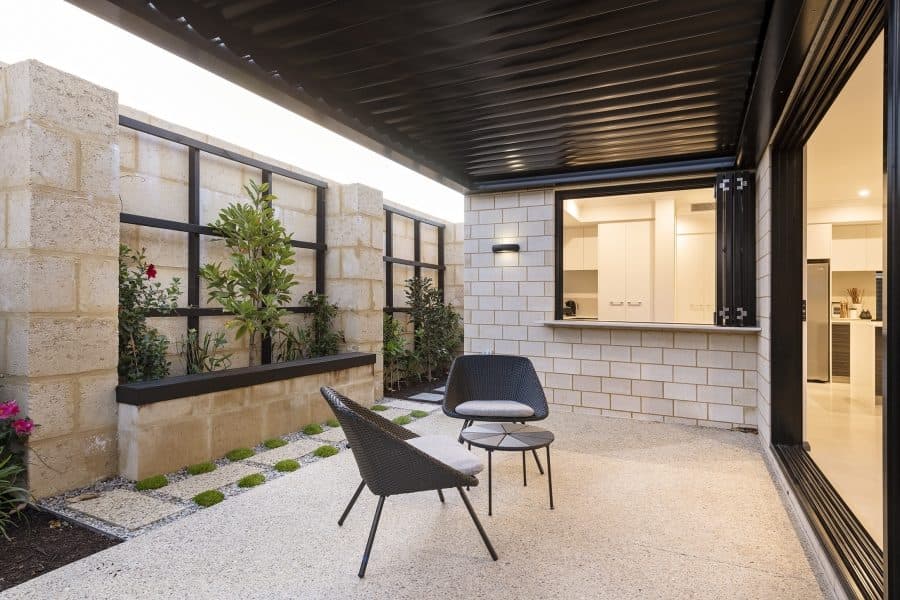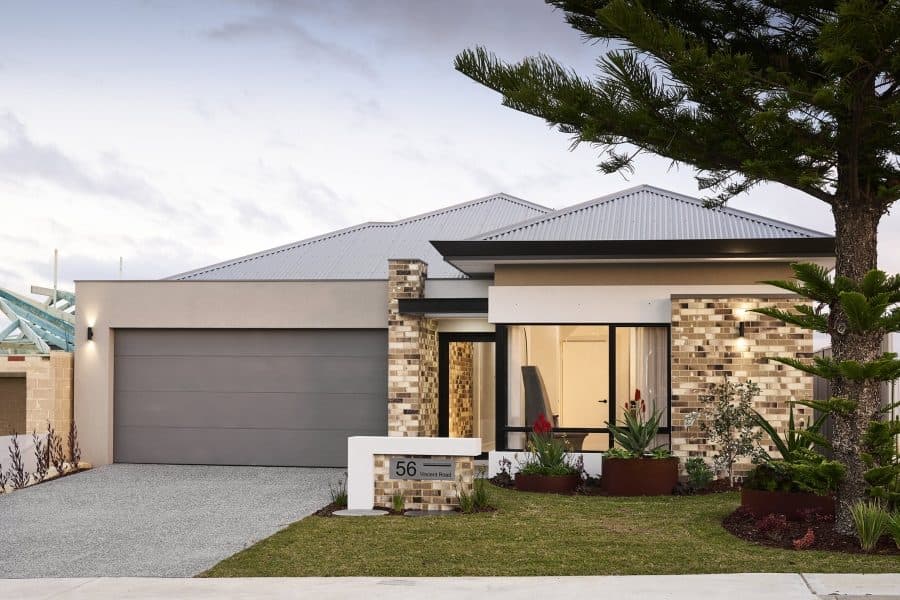
Two good ways into your first home
Building and buying an established home both get you into a home of your own. They suit different people. This guide compares them on what matters most: money, time, the home itself and where you'll live.
Buying established gives you a street you can see, a quicker move-in, and often a closer location. Building gives you a home that's brand new, designed around how you live, and built to today's standards. It also opens up some government help that only applies to new homes.
Money: the grant, stamp duty and your deposit
The First Home Owner Grant only applies to new homes. It's up to $10,000 if you qualify, and in Perth the land and house together must be worth $800,000 or less (for purchases from 7 May 2026).
Stamp duty works differently too. When you buy an established home, duty is charged on the full price. When you buy a block and build, it's usually charged on the land only. First home buyers pay no duty on vacant land up to $450,000, and a reduced rate up to $550,000. For a home the limits are $600,000 and $800,000. These apply from 7 May 2026. Our settlement agent partner confirms how duty applies to you.
Here's what that means for the same $800,000. A first home buyer buying an established home for $800,000 pays about $32,300 in stamp duty. Buy a $400,000 block and build for $400,000, with the home and siteworks included, and the duty is $0.
Payments are spread out when you build. You pay a deposit to secure your home and a land deposit to the developer. Then the land settles, and your bank pays the builder in stages as the home goes up. Many lenders only charge interest on what's been drawn so far.
The deposit schemes work for both. The 5% Deposit Scheme lets first home buyers who qualify buy with a 5 per cent deposit and no lenders mortgage insurance. There's no income limit, and the price limit in Perth and WA's regional centres is $850,000 ($600,000 elsewhere in WA). The WA Government lender offers a low deposit loan from 2 per cent, with no lenders mortgage insurance, within its income and price limits. Our broker partner checks which may suit you.
Our broker partner can show you what building or buying would mean for your deposit and your loan.
Find Out My OptionsTime
An established home usually settles in weeks. Building takes longer, but you know the timeline up front. After you sign, there's usually about 4 to 6 months of pre-construction before building starts. That's everything that has to happen first: your land being titled, your loan, the plans and the approvals. How long it takes depends mostly on when your land is titled. That's the day the government registers your block as its own piece of land, with its own title. In a new estate this can be a few weeks or a few months away, and building can't start until it's done. Then building takes about 8 to 10 months. These are typical times, not promises.
During that time you can keep saving, and your loan is drawn in stages, not all at once. We stay with you the whole way, so you always know what's next.
If timing matters to you, we can look for land that's already titled, which can shorten the wait.
The home itself
An established home has its own appeal: gardens and trees that have grown in, and you can walk through exactly what you're buying. You rely on a building inspection and what the seller tells you about its condition.
A new home comes with a maintenance period after handover, and has a 25-year structural guarantee. It's built to WA's current energy standard, with better insulation and glazing than most older homes, which you'll usually notice in summer, in winter and on your power bill.
Upkeep is worth comparing too. A new home needs little in its first years. An older home may need a new roof, kitchen or wiring within ten years, so it's worth budgeting for.
Location and lifestyle
Established suburbs are usually closer in, with mature trees and everything already built. New estates are usually further out, but many are planned with new schools, parks and shops, and some already have train lines and town centres. Your neighbours are often at the same stage of life as you.
If one particular suburb is a must for you, that may decide it. Otherwise, we help you compare the areas that fit your budget and your drive to work.
Working out what suits you
It comes down to four things:
- Your budget: deposit, income and timeline, with our broker partner checking which schemes may apply to you.
- Location: whether you need to be close to something now, or would trade a little distance for a brand new home.
- The home: the layout and features you want.
- Ten years of money: not just the price, but running costs and repairs too.
When they add it all up, many first home buyers find building gives them more for their money. We'll go through the numbers with you, whichever way you're leaning.
Sources
- RevenueWA, About the first home owner grant, read 18 September 2026
- RevenueWA, Duties fact sheet: first home owner rate, read 18 September 2026
- RevenueWA, Aggregation: duty requirements, read 18 September 2026
- Australian Government, 5% Deposit Scheme (firsthomebuyers.gov.au), property price caps, read 18 September 2026
- WA Government lender, Low deposit home loan, read 18 September 2026
- Consumer Protection WA, Buying property off the plan, read 18 September 2026
- Building and Energy (WA), Home Building Contracts Act fact sheet, read 18 September 2026
- WA Government, Understanding NCC 2022 and implementation clarification, read 18 September 2026